The nightmares that won't stop. The triggers that come out of nowhere. The hypervigilance that never actually turns off. You have tried to push through, told yourself you just need to be stronger. But trauma doesn't respond to willpower alone. It lives in the brain – in measurable, identifiable frequency patterns that replay the same distress signals on a loop.
That's not a weakness. That's neuroscience.
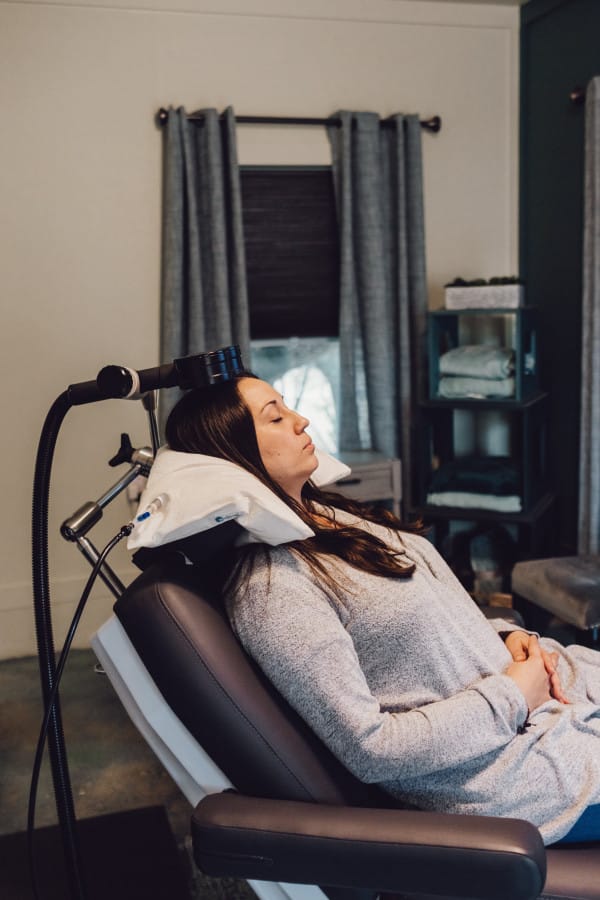
TMS works differently from medication or talk therapy alone. Instead of simply managing symptoms, it uses magnetic pulses to directly stimulate the areas of the brain that trauma has dysregulated. This can calm overactive threat responses and start to rebuild the neural pathways that chronic stress has worn down. It's non-invasive and requires no sedation, so you can drive yourself home after every session.
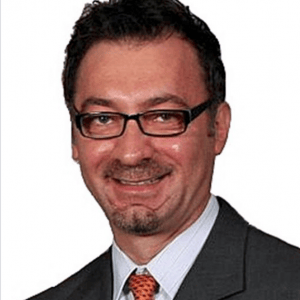
Dmitry Listengarten, M.D.
Medical Director
Dr. Listengarten has been practicing medicine since 1986, and he specializes in the field of psychiatry and addiction medicine. He is a Fellow of the American Board of Psychiatry and Neurology and a Fellow of the American Board of Addiction Medicine.
Throughout his career, he has focused on addictive disorders and the treatment of co-occurring disorders. He has served as an attending psychiatrist in several hospitals in Arizona and Texas. He served as Chairman of the Department of Psychiatry and the Director of Chemical Dependence Unit at HCA Methodist Specialty and Transplant Hospital. He continued his practice at San Antonio Behavioral Health Hospital and currently serves as Director of Chemical Dependence Unit. He also practices at Soba Texas, providing psychiatric and chemical dependency consultations and treatment to patients in all levels of care. Dr. Listengarten is also certified in TMS.

I spent four years trying different medications. Each one came with a new set of problems. TMS was the first treatment where I felt like myself again, not a medicated version of myself.
Misty W. -Alumni
Standard TMS is FDA-cleared, covered by most major insurance, and clinically studied specifically for PTSD. For those who want a more personalized approach, Brain Frequency™ takes TMS further – using individual EEG data to calibrate every session to the brain's unique patterns.
You don't have to choose right now. We'll help you figure out which path makes sense after your initial consultation.
INSURANCE ACCEPTED
TMS delivers targeted magnetic pulses to the areas of the brain that trauma has dysregulated – calming the overactive threat responses and hyperarousal that keep PTSD symptoms cycling. FDA-cleared, non-invasive, and accepted by most major insurance carriers, TMS is a clinically studied option for people who have yet to find adequate relief through medication or therapy alone.
This may be right for you if:
PRIVATE PAY | PATENTED
Everything TMS does, plus more. Brain Frequency™ starts with a 19-channel EEG brain map that identifies the specific frequency patterns tied to each patient's trauma response. Treatment is then calibrated to that individual's data, targeting up to five brain zones instead of one, with objective progress measured every 10 sessions.
This may be right for you if:
Watch how EEG guided neurostimulation is personalized to each patient at Windmill Wellness.
75.6%
of patients reached
PTSD remission
PCL-5 score below clinical
threshold after 30 sessions,
combined with residential therapy
at Windmill
196
patients studied
with PTSD
Retrospective analysis
spanning 2019–2025
71.4%
clinically meaningful
symptom response
≥50% improvement in PTSD
symptoms at 40 treatment
sessions

In a retrospective study of 196 patients with PTSD treated at Windmill Wellness Ranch, remission rates improved consistently with each set of Brain Frequency™ sessions. These patients received Brain Frequency™ alongside comprehensive treatment, including evidence-based trauma therapy.
We know you've probably been through a lot to get here. The consultation is relaxed, confidential, and designed to help you understand your options. Here's what the treatment process actually looks like.

A real conversation with our clinical team about your experience with trauma, what treatment has looked like so far, and what you're hoping life could look like on the other side.
For those who choose Brain Frequency™, treatment begins with a painless 19-channel EEG that maps the specific neurological patterns tied to your trauma response.
Sessions run approximately 20 to 40 minutes. You sit in a comfortable chair, the device delivers magnetic pulses to the brain regions that trauma has dysregulated, and you go about your day.

Progress at Windmill isn't measured by how you feel on a good day. With Brain Frequency™, a new EEG every 10 sessions provides objective, measurable evidence of what is actually changing in the brain.
Flexible care. Faster access.
TMS with Brain Frequency™ has shown a 75.6% PTSD remission rate at 30 sessions – and sessions are available to start this week! Doctor-run, outcomes-based, and clinically studied. Real relief from PTSD symptoms is closer than you think.
Windmill Wellness Behavioral Health is a mental health provider in North Central San Antonio, Texas. If you're considering TMS for PTSD, you probably have questions. Here are the ones we hear most often.

Most people describe a tapping sensation on the scalp during treatment. It can feel unfamiliar at first, but is well tolerated. There's no sedation, no anesthesia, and no recovery time. Patients drive themselves home after every session.
Some people notice improvements within the first two weeks. For many, meaningful changes emerge after 15 to 20 sessions. A full course for PTSD is typically 30 to 36 sessions over 4 to 6 weeks.
Yes. TMS targets the areas of the brain that trauma dysregulates – calming overactive threat responses and rebuilding neural pathways that chronic stress has worn down. In a retrospective study of 196 PTSD patients at Windmill Wellness Ranch, 75.6% reached remission after 30 sessions.
Standard TMS uses the same target and frequency for every patient. Brain Frequency™ takes a different approach – mapping the brain first and calibrating treatment to individual neurological data. Some patients who didn't respond to standard TMS have responded to this personalized protocol.
Yes. TMS is commonly used alongside existing medication. The clinical team at Windmill coordinates with prescribing providers on any adjustments over time.
Standard TMS targets one brain area with a fixed frequency and is covered by most major insurance carriers. Brain Frequency™ starts with a 19-channel EEG brain map, targets up to five brain zones at a personalized frequency, and includes objective progress tracking every 10 sessions. Brain Frequency™ is a private pay service and is not covered by insurance.
Most major insurance carriers cover traditional TMS for PTSD when medication has not provided adequate relief. Windmill verifies coverage and handles prior authorization before treatment begins – so there are no surprises. Brain Frequency™ is a separate private pay service and is not covered by insurance.
Recovery isn’t about forgetting what happened. It’s about helping your brain begin to recognize that the danger has passed — so you can start living again.
The Windmill Wellness Philosophy
